

Managing Knee Arthritis with Physical Therapy: Your Path to Pain-Free Living
Living with knee arthritis can be a daily struggle, impacting your quality of life and mobility. But there’s hope. At College Park Physical Therapy, we specialize in helping individuals like you manage knee arthritis effectively through physical therapy.
Our therapists are experts in the identification and treatment of knee arthritis, with a focus on the pivotal role that exercise and targeted therapy techniques play in alleviating pain and improving your overall well-being. Our goal is to empower you with the knowledge and support needed to regain your active lifestyle.
Did You Know You Have a Choice?
When your doctor recommends physical therapy, you get to choose the clinic that’s right for you. At College Park Physical Therapy, we’re proud to offer personalized care and support to help you get moving, stay active, and recover faster.
Physical therapy at independent outpatient clinics like ours is often a more cost-effective option compared to hospital-based or physician-owned practices, while still delivering the same high level of care.
Thanks to Direct Access, many patients can come to us without a doctor’s referral. That means you can schedule an evaluation and start treatment right away. If your doctor does determine that physical therapy is needed, you can still let them know you choose College Park Physical Therapy as your provider.
Choosing the right clinic matters. At CPPT, our experienced team works closely with each patient to create a treatment plan tailored to your goals, whether you’re recovering from an injury, managing chronic pain, or improving overall mobility.
Next time your doctor recommends physical therapy, remember: you have the right to choose where you go.
Our Patients Get Great Results
“If you need PT, this is the place to go. I went in with dread and in pain but came out feeling so much better and with confidence that therapy truly helped me. They were all extremely nice, had patience with me, and they really knew their stuff. I am so glad I went.”
-J.W.
Understanding Knee Arthritis

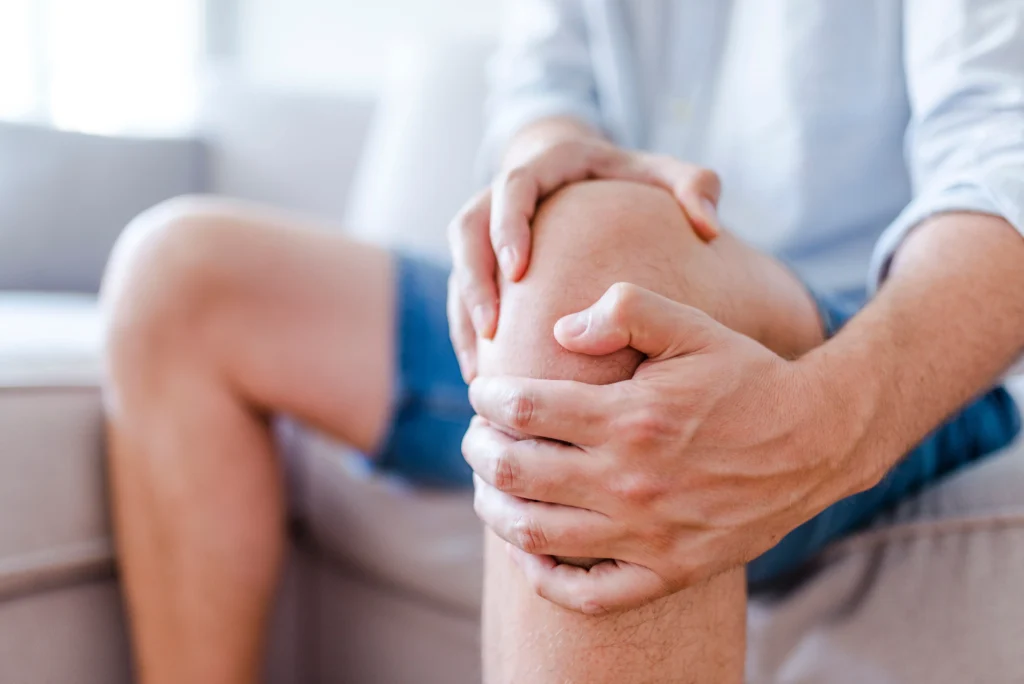
Knee arthritis is a widespread condition that occurs when the protective cartilage in the knee joint wears away over time. This results in pain, stiffness, and reduced mobility. Let’s explore how you can identify and manage knee arthritis through physical therapy:
Step 1: Recognizing the Signs and Symptoms
The first step in managing knee arthritis is recognizing the telltale signs and symptoms:
- Persistent knee pain that is often worse after periods of inactivity.
- Swelling and tenderness in the knee joint.
- Difficulty in bending or straightening the knee.
- A grating sensation during knee movement.
- Reduced range of motion in the knee joint.
If you’re experiencing any of these symptoms, seeking guidance from our skilled physical therapists is crucial!
Step 2: Consultation with a College Park Physical Therapy Physical Therapist
When knee pain becomes a persistent issue, it’s time to consult one of our physical therapists, who is experienced in arthritis management. Our team of skilled therapists will conduct a thorough evaluation to assess the extent of your knee arthritis. This assessment includes a comprehensive physical examination and may involve reviewing imaging tests like X-rays or MRI scans.
Step 3: Personalized Physical Therapy Plans
Following your evaluation, our physical therapists will create a tailored treatment plan that suits your unique needs. Physical therapy plays a pivotal role in managing knee arthritis, offering a range of benefits:
- Pain Management: Techniques like manual therapy and modalities to help alleviate pain and reduce inflammation.
- Mobility: Stretching routines enhance joint mobility, reduce stiffness, and improve overall function.
- Strengthening: Targeted exercises are designed to strengthen the muscles around your knee, providing better support and stability.
- Balance and Coordination: Balance exercises are incorporated to enhance stability and coordination, reducing the risk of falls.
- Education: Our physical therapists provide valuable education on arthritis management, teaching you how to protect your joints during daily activities.
- Lifestyle Modifications: We work with you to make lifestyle adjustments, including activity modification and weight management, to reduce the strain on your knee joint.
Step 4: A Holistic Approach to Knee Arthritis
At College Park Physical Therapy, we adopt a holistic approach to managing knee arthritis. Beyond addressing physical symptoms, we recognize the emotional and psychological impact of chronic pain. Our comprehensive support and education empower you to regain control of your life.
Step 5: Your Path to Pain-Free Living
Your journey to a pain-free life begins here. Our physical therapists are committed to helping you manage knee arthritis through physical therapy. Our compassionate team will guide you through each step of the process, focusing on reducing pain and improving your mobility.
The Benefits of Physical Therapy for Knee Arthritis
Physical therapy offers numerous advantages for individuals dealing with knee arthritis:
- Prevention: Physical therapy focuses on injury prevention, reducing the risk of further damage to your knee joint.
- Non-Invasive: Unlike medications or injections, physical therapy is a non-invasive approach to pain management, emphasizing natural healing and improved function.
- Customized Care: Your physical therapy plan is tailored to your specific needs, addressing your unique challenges and goals.
Don’t Let Knee Pain Hold You Back
Knee arthritis doesn’t have to dictate your life. At College Park Physical Therapy, our dedicated team is here to help you understand, manage, and overcome the challenges posed by knee arthritis through physical therapy. By recognizing the signs, seeking professional evaluation, and embracing a personalized physical therapy plan, you can find relief, regain mobility, and enjoy a more active lifestyle.
Don’t let knee pain hold you back any longer. Contact us today and take the first step towards a pain-free future. Your journey to pain-free living starts with us, and we’re here to support you every step of the way!
Dive into Recovery: How Aquatic Therapy Supports Healing
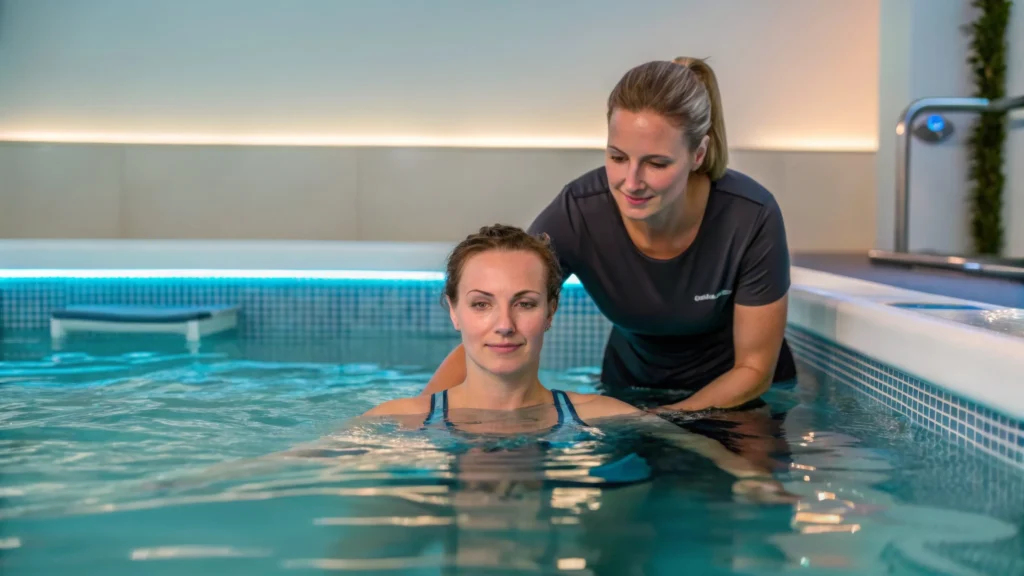
Aquatic therapy offers a unique and effective approach to rehabilitation, especially for those recovering from surgery, injury, or chronic pain. By performing exercises in a warm-water pool, patients experience reduced joint stress and enhanced mobility. The buoyancy of water supports the body, decreasing the impact on joints and allowing for a greater range of motion with less pain.
The warmth of the water helps relax muscles and increase blood flow, which can alleviate muscle spasms and reduce inflammation. Additionally, the natural resistance of water provides an excellent medium for strengthening muscles without the need for heavy weights. This makes aquatic therapy particularly beneficial for individuals with conditions like arthritis, back pain, or those recovering from surgery.
Beyond physical benefits, aquatic therapy also promotes mental well-being. The soothing properties of water can help reduce stress and anxiety, contributing to an overall sense of relaxation and improved mood.
At College Park Physical Therapy, our licensed therapists tailor aquatic therapy sessions to meet your specific needs, helping you regain strength, flexibility, and confidence in your recovery journey.
Say Hello to Bruce Morgan
Physical Therapist

What inspired you to become a PT?
While in college, my brother was injured in an accident and had to go through intensive PT for a year. As I observed his therapy, the PTs asked me to help with the stretching. Doing this sparked an interest in me to pursue therapy.
What is your why?
I have a drive and need to help others, instilled in me from my mother. In physical therapy, I can help people with physical needs, as well as promote emotional and social support.
Who has influenced your career the most and how?
My mother was a selfless Christian woman who had difficulty saying no to anyone. She demonstrated a love and care for those in her family, her friends, and complete strangers. She inspires me daily to be a better person.
What’s one lesson your patients have taught you?
By listening to my patients’ life stories and their experience with their injury, I have learned that, in most cases, the answer to the patient’s recovery can and must be intertwined with empowering them to be active participants in their own recovery.
Describe my approach to patient care in 3 words.
Empathy, cooperation, empowerment.
What type of patient or diagnosis am I most passionate about treating?
I am drawn to the adolescent athletes seeking to return to their sport after injury or surgery, because too often I see children return to their sport before they are ready and reinjure themselves.
What do you love most about helping patients?
I love seeing the light bulb go on in their eyes as they discover how, in many cases, they are in charge of the extent of their rehabilitation and they begin to take more ownership of what they do outside of the clinic.
What’s your favorite success story?
I treated a teenage soccer player, being scouted by colleges, after she was diagnosed with Guillain-Barre Syndrome. She had an infectious joy and drive and we were able to get her to walk again, and eventually to jog, run, and perform soccer drills again. She eventually married and continued to flourish, even though her plans were modified by her disease.
What does LSCM mean to me in daily work?
Go into work loving your coworkers and your patients, and this will drive me to better serve and care for all and help them improve and they help me.
How do you go the extra mile for patients or teammates?
I try to look for the little things that can change a perspective, improve a person’s day, and allow a little smile when possible.
How do you make sure every patient feels seen, heard, and cared for?
I make eye contact and listen to their story, repeating things as needed to show I am listening attentively.
What’s one way you’ve created a memorable moment for a patient?
At times, I will create a certificate of completion of PT to give them on their day of discharge.
How do you personalize care to make each patient’s experience special?
I ask each visit how they are doing and listen for specific things that will guide me to the treatment for the day. I will modify exercises on the fly when needed to ensure proper form and engagement of muscles.
When a patient first meets you, what do you want them to know about the journey you’ll take together?
Let’s work together to focus the treatment to improve not only your specific injury, but improve any aspects of your daily function that may be contributing to your pain.
What’s one piece of advice that you’d give a patient starting PT for the first time?
Be consistent, be patient, and be open minded.
How do you celebrate progress and wins with your patients?
I celebrate wins with patients in different ways: from words of affirmation, to high fives, to sharing their success with the other employees.
What’s a favorite moment when you made a lasting impact by simply caring more?
One of my favorite moments was spending time helping a patient overcome their fear of falling to be able to walk confidently in the home and in the community.
How do you bring positive energy to your day and your patients?
I try to make each patient smile or laugh each time that I see them. I show them each day that I am focusing on them specifically to help them reach their potential.
What motivates you to bring your best self to work each day?
I believe that I have a responsibility to use the knowledge that I have gained through education and work experiences to provide excellent care for each patient I interact with.
What do you enjoy doing outside of work that helps you recharge?
I recharge by spending time alone, either reading or sitting outside and enjoying nature. Going to church and spending the day with my wife exploring are great ways to rebuild my energy.
What’s one fun fact about you that most patients wouldn’t guess?
I am a missionary kid and grew up in Colombia, South America for 8 years of my childhood.
What’s your favorite way to stay healthy?
Playing tennis, going for walks/hikes.
Favorite place to travel, eat, or relax in Kansas City?
My wife and I have found many little restaurants in Kansas City that we love, from La Bodega, to Buffalo State Pizza Company, to Bacaro Primo.
What’s a quote that inspires you?
Philippians 4:13 – I can do all things through Him who strengthens me.
What does flourishing mean to you in your career and life?
Helping family, coworkers, and patients to reach and achieve their dreams.
What’s one message you’d love to share with our patients and community?
I am not perfect, but I try every day to show God’s love to those around me.
Why do you love being part of the CPPT and ESPT team?
This team is dedicated to providing top quality care and is given the opportunity to do so through one on one care for every patient that comes in our doors.

Make the Most of Your Health Benefits Before Year’s End
As the year winds down, many insurance plans reset their deductibles on January 1. If you’ve already met your deductible or still have remaining visits, now is a great time to complete any care you’ve been planning. Whether it’s a follow-up session, finishing a therapy program, or addressing something you’ve been putting off, taking action now can help you maximize your benefits before the new plan year begins.
Join Our Team
We may be the place for you if you want to be a part of a skilled, dedicated, and attentive physical therapy team that is helping people fully recover and changing the lives of people in your community!
Please apply on our website today if you believe you would be a good fit for our team of dedicated and compassionate therapists, coordinators, representatives, technicians, and assistants.