
Physical Therapy:
A Solution for Sciatica Pain Relief
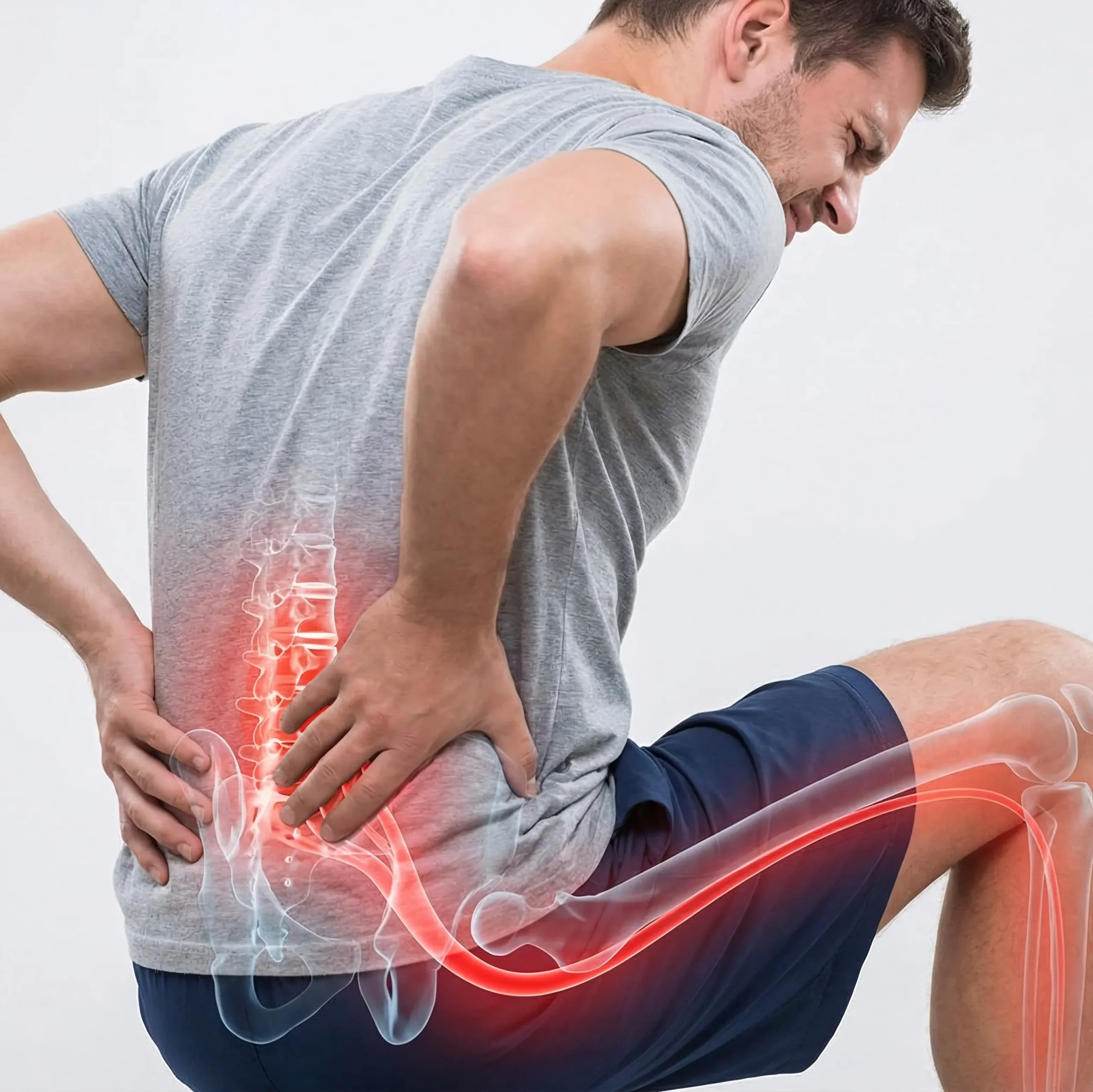
If you’ve ever felt a sharp, shooting pain radiating from your lower back down your leg, you might be experiencing sciatica. This condition, caused by irritation or compression of the sciatic nerve, the largest nerve in the body, can be debilitating. However, the team at College Park Physical Therapy has some good news: physical therapy is a proven path to sciatica relief.
Unlike medications that only mask the pain, physical therapy targets the root cause of sciatica. We can help you manage symptoms and, in many cases, avoid surgery. But before we dive into how therapy works, let’s bust some common myths that may be preventing you from seeking the help you need.
Did You Know You Have a Choice?
When your doctor recommends physical therapy, you get to choose the clinic that’s right for you. At College Park Physical Therapy, we’re proud to offer personalized care and support to help you get moving, stay active, and recover faster. Physical therapy at independent outpatient clinics like ours is often a more cost-effective option compared to hospital-based or physician-owned practices, while still delivering the same high level of care.

Thanks to Direct Access, many patients can come to us without a doctor’s referral. That means you can schedule an evaluation and start treatment right away. If your doctor does determine that physical therapy is needed, you can still let them know you choose College Park Physical Therapy as your provider. Choosing the right clinic matters. At CPPT, our experienced team works closely with each patient to create a treatment plan tailored to your goals, whether you’re recovering from an injury, managing chronic pain, or improving overall mobility. Next time your doctor recommends physical therapy, remember: you have the right to choose where you go.
Patient Success
“This past year, I had both rotator cuffs repaired. The people at the Mastin facility are exceptional! I was greeted with cheerful smiles by the front office ladies! Each therapist encouraged me to push forward through discomfort to have the needed mobility. They cheered me on, had patience, and helped me work with the pain. Today was my last session. Saying goodbye was like saying goodbye to my family! Thanks Alex, Melissa, Mike, Carol, Heather, Richard, and Jake. You have blessed me in so many ways! God bless!” – Elli
Understanding Sciatica: A Common Yet Misunderstood Condition
Myth #1: Bed Rest Is the Best Treatment for Sciatica.
While it might seem logical to rest when in pain, prolonged bed rest can actually worsen sciatica symptoms. You’re much better off working with one of our physical therapists to stay active safely. We’ll create custom movement plans that ease pain and restore function without worsening your condition.
Here’s why physical activity is key:
- It increases blood flow to the affected area, promoting healing
- Gentle movements reduce nerve inflammation
- Exercises improve mobility and strength, preventing future flare-ups
Myth #2: Only Surgery Can Provide Sciatica Relief.
Surgery is rarely the first recommendation for sciatica. In fact, physical therapy often provides similar or better outcomes than surgical intervention, especially when started early. Our team focuses on correcting the mechanical issues behind your pain, providing lasting sciatica relief without the risks and downtime of surgery. Some additional benefits include:
- Pain-reducing manual techniques
- Targeted stretches that ease nerve pressure
- Strength training to stabilize your spine
- Posture education to prevent recurrence
Myth #3: Sciatica Is a Life Sentence. You Just Have to Live With It.
Many people fear that sciatica is permanent. In many cases, however, this simply isn’t true. Most people can see significant improvement within a few weeks with the right therapeutic approach.
We design our physical therapy programs to work for you. Each one includes:
- Thorough evaluation to identify the root cause
- Education on body mechanics and ergonomic changes
- A progressive exercise program tailored to your needs
- Ongoing support and reassessment
Myth #4: Stretching Alone Can Cure Sciatica.
Stretching can help alleviate some discomfort, but it’s only one piece of the puzzle. Relying solely on stretching without addressing muscle imbalances, core weakness, or spinal alignment can actually delay your recovery.
A more complete approach for sciatica relief includes:
- Neuromuscular re-education to restore balance and coordination
- Strengthening exercises to support spinal stability
- Manual therapy to improve joint and soft tissue mobility
- Education on safe movement patterns
Taking Action: How to Start Your Journey Toward Sciatica Relief
If you’re struggling with sciatica, don’t let myths keep you from getting real help. Physical therapy offers a safe, surgery-free approach that empowers you to take control of your recovery.
At College Park Physical Therapy, our licensed physical therapists are trained in the latest techniques to treat sciatica at its source. We’ll design a customized plan to reduce pain, restore mobility, and help you return to the activities you love—without unnecessary medications or invasive procedures.
Schedule an appointment at our clinic to get started.
Recipe of the Month: Overnight Oats

Ingredients:
- ⅓ cup old-fashioned oats
- ¼ teaspoon ground cinnamon
- 1 tablespoon chia seeds
- 1 tablespoon peanut butter
- ⅔ cup milk
- ½ cup sliced banana
- Drizzle of maple syrup or honey, if desired
Instructions:
- Mix everything together, cover and refrigerate overnight.
- Serve with your favorite toppings.
- Makes 1 serving.
Join Our Team
We may be the place for you if you want to be a part of a skilled, dedicated, and attentive physical therapy team that is helping people fully recover and changing the lives of people in your community!
Please apply on our website today if you believe you would be a good fit for our team of dedicated and compassionate therapists, coordinators, representatives, technicians, and assistants.