
Lifting, Reaching, Hurting: What’s Behind Your Shoulder Pain?
Shoulder pain can make a long day at work even harder. Whether you’re lifting boxes, running a cash register, or using gardening tools, your shoulders can take on a lot of stress. Two common causes of pain are rotator cuff injuries and shoulder strain. While they may seem similar at first, they are distinct problems that require distinct treatment approaches.
At College Park Physical Therapy, we want to help you get back to feeling better as quickly as possible, and that starts with ensuring you understand your injury. Let’s take a closer look at these two different types of shoulder pain.

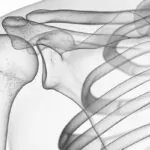
Your shoulder is a ball-and-socket joint. The “ball” is the top of your upper arm bone, and sits against a shallow “socket” within your shoulder blade, like a golf ball on a tee. This design allows for a wide range of motion, but it also means the shoulder relies heavily on muscles and tendons for support.
One of the key structures in the shoulder joint is the rotator cuff, a group of small muscles and tendons that keep the joint stable and help you lift and rotate your arm. They work alongside the large muscles in your chest and back that provide power for lifting, carrying, and pushing. Finally, several additional tissues connect and support all the structures in your shoulder, helping everything move together smoothly.
Because so many parts of the shoulder have to work together, it’s easy to develop an injury in the area.
Exploring Rotator Cuff Pain
The rotator cuff is one of the more easily damaged shoulder structures. Pain here can stem from:
Repetitive Overhead Work
Like painting, construction, or warehouse stocking.
Lifting Heavy Objects
Lifting heavy objects away from your body places significant stress on the rotator cuff.
Age-Related Wear and Tear
Normal aging can gradually weaken the rotator cuff tendons over time.
Sudden Overload
Such as catching a falling object unexpectedly.
It’s important to seek treatment for a rotator cuff injury, as it can worsen if left untreated. What starts as minor damage can worsen into a larger tear, leading to long-term weakness or loss of motion.
What Are Some Signs of Rotator Cuff Issues?
Deep Shoulder Pain
Deep, aching pain inside the shoulder.
Painful Arc of Motion
Especially when your arm is between waist and shoulder height or reaching behind your back.
Weakness
Weakness when lifting your arm.
Night Pain
Trouble sleeping on the affected side.
How Does College Park Physical Therapy Treat Rotator Cuff Pain?
Manual Therapy
Hands-on manual therapy techniques to improve joint movement and reduce pain.
Targeted Strengthening
Strengthening of the rotator cuff and shoulder blade muscles to improve stability and reduce strain.
Movement Training
Posture and movement training to ensure you’re lifting and reaching without stressing the rotator cuff.
Progressive Loading
Gradually building strength so tissues can safely handle work demands.
Join Our Team
We may be the place for you if you’re looking to become part of a skilled, dedicated, and attentive physical therapy team that is passionate about helping people fully recover and reclaim their quality of life. We’re always looking for compassionate, motivated individuals who thrive in a collaborative and patient-focused environment. Whether you’re a therapist, coordinator, representative, technician, or assistant, your role will be an essential part of delivering exceptional care and creating a welcoming experience for every patient who walks through our doors. Take the next step toward a rewarding career where your work truly matters.
Apply TodayPatient Success
“I’ll admit that I went into these physical therapy sessions with a certain degree of skepticism. I had been in pain for a very long time. However, it did not take me long to realize that the therapy really was going to work. The two therapists that worked with me were outstanding. They were not only professional, but I sensed that they really cared for my well-being. I started out skeptical and in a lot of pain and after 15 sessions, I am now happy and pain-free.”
Leave Us A ReviewA shoulder strain occurs when any muscle or tendon in the shoulder structure is stretched too far or partially torn. This usually affects larger muscles, such as the deltoid (the muscle on the outside of your shoulder), as well as the surrounding tissues.
Shoulder Strains Usually Result From
- Lifting something too heavy
- Sudden pulling or jerking motions
- Poor lifting form
- Overuse without enough rest
Shoulder strains often improve with proper rest and gradual return to activity. However, if you go back too soon, they can linger, which is why it’s useful to have College Park Physical Therapy guide you through the process.
What Are Some Signs of a Shoulder Strain?
- Sharp or sore pain in the outer shoulder
- Pain right after lifting or activity
- Tightness or muscle spasm
- Pain that improves with rest over a few days
How Does College Park Physical Therapy Treat Shoulder Strains?
- Pain-relief techniques, such as heat, ice, or electrical stimulation
- Short-term activity modification to reduce stress on the injured tissue
- Gentle mobility exercises to prevent stiffness and promote healing
- Gradual strengthening to restore muscle function without overload
Don’t Wait Until Pain Gets Worse To Seek Care
Shoulder pain can start small and turn into a bigger problem fast, especially if you work a physical job. Fortunately, physical therapy is generally enough to resolve both rotator cuff pain and shoulder strain, especially if you start early enough.

Mediterranean Chickpea Power Bowl
A fresh, protein-packed meal featuring quinoa, chickpeas, crisp vegetables, feta, and a bright lemon-herb dressing. Perfect for meal prep or a quick, nutritious lunch or dinner.
Ingredients
- 2 (15 oz.) cans chickpeas, drained and rinsed
- 2 cups cooked quinoa
- 2 cups cherry tomatoes, halved
- 1 cucumber, diced
- 1 red bell pepper, diced
- ½ cup crumbled feta cheese
- ¼ cup sliced Kalamata olives
- 2 tbsp extra virgin olive oil
- 1 tbsp fresh lemon juice
- 1 tsp dried oregano
- Salt and black pepper, to taste
- Fresh parsley, chopped
Instructions
- Whisk together the olive oil, lemon juice, oregano, salt, and pepper in a small bowl to make the dressing.
- Divide the cooked quinoa evenly among four serving bowls.
- Top with the chickpeas, cherry tomatoes, cucumber, red bell pepper, olives, and crumbled feta.
- Drizzle the lemon-herb dressing evenly over each bowl.
- Sprinkle with fresh parsley and gently toss before serving.
- Enjoy immediately or refrigerate for an easy meal-prep lunch or dinner.