
Having Surgery?
Bounce Back Faster With Pre- and Post-Rehab
If you’re scheduled for an orthopedic surgery (such as a total joint replacement or an ACL repair), you probably already know you’ll need to undergo rehabilitation afterward with a physical therapist. But have you considered working with a PT before your surgery, too?
Pre-rehabilitation, sometimes called “prehab,” is a little less common than rehab, but it’s still an important part of the surgical process. Together, a structured pre- and post-surgical physical therapy program can help you maximize the benefits of your surgery.
We offer pre- and post-rehab here at College Park Physical Therapy, and today, we want to explore both programs in detail. And if you’d like more personalized guidance, just contact our clinic to speak to our friendly staff!
Did You Know You Have a Choice?
When your doctor recommends physical therapy, you get to choose the clinic that’s right for you. At College Park Physical Therapy, we’re proud to offer personalized care and support to help you get moving, stay active, and recover faster. Physical therapy at independent outpatient clinics like ours is often a more cost-effective option compared to hospital-based or physician-owned practices, while still delivering the same high level of care.
Thanks to Direct Access, many patients can come to us without a doctor’s referral. That means you can schedule an evaluation and start treatment right away. If your doctor does determine that physical therapy is needed, you can still let them know you choose College Park Physical Therapy as your provider. Choosing the right clinic matters. At CPPT, our experienced team works closely with each patient to create a treatment plan tailored to your goals, whether you’re recovering from an injury, managing chronic pain, or improving overall mobility. Next time your doctor recommends physical therapy, remember: you have the right to choose where you go.
Patient Success
“Great team of PTs. Kept me focused. Has so many helpful observances of my body – gait, stance, shoulder position, etc. Had great success. Friendly, kind office. Will come back in future if needed again.” -N.D
What You Need to Know About Pre-Op Physical Therapy
Surgery can be incredibly tough on the human body. It’s a highly invasive procedure that brings with it a host of complications, such as blood clots, post-surgical pain, and more.
Standard rehabilitation works to minimize these risks after the fact. However, prehab takes a proactive approach, allowing you to improve strength, fitness, and pain levels before you have your procedure.
Think of it this way: No athlete goes into a big game unprepared. They spend time training to ensure their strength, endurance, and performance are the best they can possibly be. Prehab is the same way–you’re preparing your body for the “big game” of surgery.
What Are Some Benefits of Prehab?
- Improves strength and mobility, making surgery and recovery easier
- Reduces pain and swelling before surgery
- May help shorten hospital stays and overall recovery times
- Decreases the risk of complications
- Helps you understand what to expect after surgery, reducing anxiety
What Can I Expect During Prehab?
- An initial evaluation in which one of our physical therapists assesses your strength, range of motion, balance, and pain level
- Various pain management techniques, including manual therapy, ice/heat, or electrical stimulation, to help reduce discomfort
- A therapeutic exercise program consisting of specific exercises to target weak or stiff areas, improve circulation, and support surrounding joints
- Personalized endurance training consisting of low-impact cardiovascular activities to increase overall stamina
- A detailed overview of what you can expect after your surgery, including training on mobility aids and rehab exercise
What You Need to Know About Post-Op Rehabilitation
Most orthopedic surgeries aim to correct whatever dysfunction is causing pain (for example, replacing an arthritic joint with a prosthesis). The results can be life-changing, but they don’t occur overnight. It takes time to restore your body to its optimal strength, mobility, and function.
That’s what post-surgical rehabilitation focuses on. A structured physical therapy program helps you recover from the surgery itself and work to get back to the activities that matter most to you.
What Are Some Benefits of Rehab?
- Reduces pain and inflammation
- Improves range of motion and overall mobility
- Strengthens muscles and improves overall function
- Helps you regain independence and return to your daily activities
- Lowers the risk of long-term complications, such as chronic pain
What Can I Expect During Rehab?
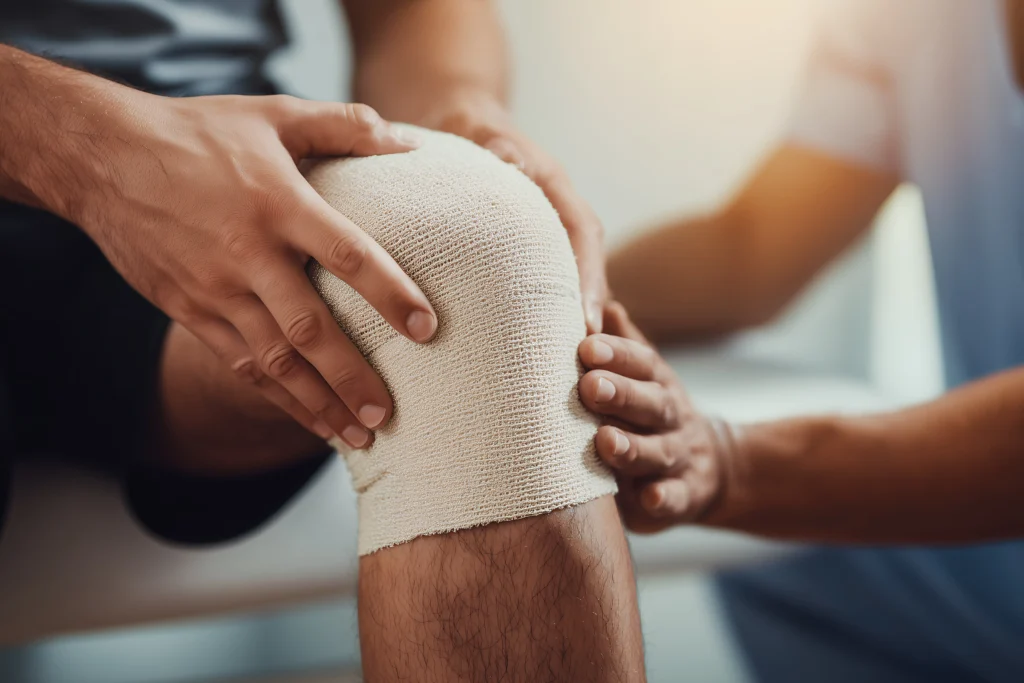
- Techniques to help manage acute pain and swelling, such as ice, compression, manual therapy, and assisted stretches
- Guided mobility work to help restore movement in the affected joint or area without stressing healing tissues
- Scar tissue management using hands-on therapy or tools to reduce the risk of long-term pain or stiffness
- Targeted, progressive strengthening exercises to rebuild muscle at an appropriate pace
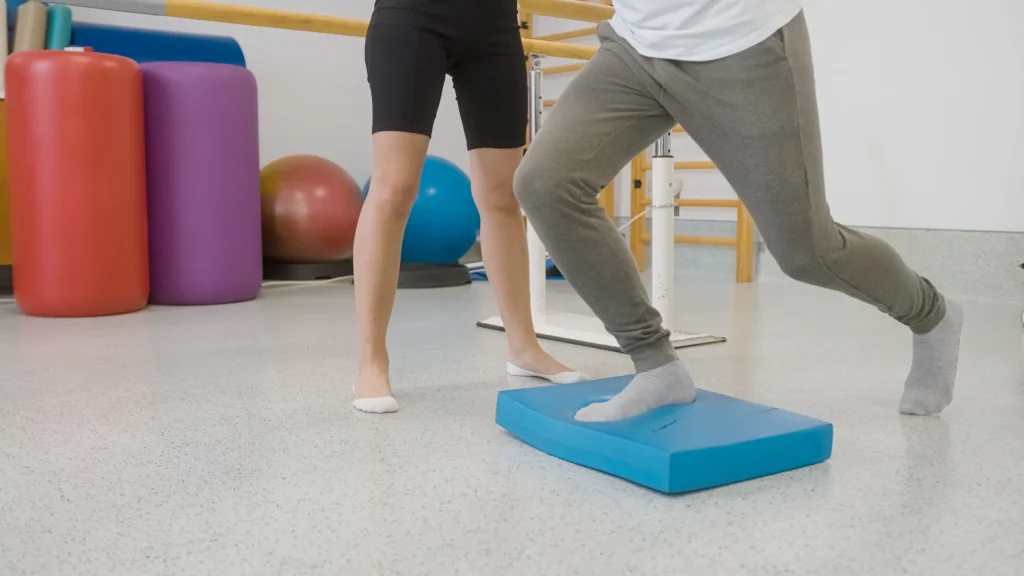
- Balance or gait training to help restore stability in surgeries that affect your movement patterns
- Functional training that helps you relearn everyday movements like standing, walking, or climbing stairs
Going Into Surgery? College Park Physical Therapy Is Here to Help!
If you have surgery scheduled, now’s the time to contact our clinic and learn more about how our pre- and post-op rehabilitation programs can help you make the most of your procedure. Remember, your recovery starts before you ever head into the operating room. Schedule an appointment with us today to get started.
Keeping Steady with Your Physical Therapist’s Help
As we get older, sometimes it can be a bit harder to keep our balance. Fortunately, our physical therapists are here to help you stay steady and prevent falls.
When you visit College Park Physical Therapy, you’ll get checked to see how well you can walk, how strong your muscles are, and how balanced you feel while standing. We’ll also provide some tips to make homes safer.
Here are some ways our physical therapists help:
- Understanding Your Movement: We’ll check how you walk and move to find the best way to help you.
- Custom Exercises: We’ll teach targeted exercises to make your muscles stronger and improve your balance.
- Safety Tips for Your Home: We provide guidance on how to make your home safer so you won’t trip or fall, like putting up bars to hold onto in the bathroom or making sure all rooms have enough light.
Our team will work to help you feel more confident when walking so you don’t have to worry about falling. So, if you want to make sure that you or a loved one are walking safely and confidently, give us a call!

Recipe of the Month: Buffalo Cauliflower Lettuce Wraps

Ingredients:
- 16 oz. cauliflower florets
- 2 Tbsp. olive oil
- ⅓ cup buffalo sauce
- 8 large lettuce leaves
- 1 stalk celery chopped
- ½ cup matchstick carrots
- ¼ cup blue cheese crumbles
Instructions:
- Preheat oven to 450F.
- Toss cauliflower in oil. Spread evenly on parchment-lined baking sheet and bake 15-20 minutes, flipping midway, until tender.
- Drizzle buffalo sauce onto cauliflower and toss to coat well. Return pan to oven and bake additional 5 minutes.
- Fill lettuce cups with buffalo cauliflower and top with carrots, celery and blue cheese.
Join Our Team
We may be the place for you if you want to be a part of a skilled, dedicated, and attentive physical therapy team that is helping people fully recover and changing the lives of people in your community!
Please apply on our website today if you believe you would be a good fit for our team of dedicated and compassionate therapists, coordinators, representatives, technicians, and assistants.