

Sprains Vs Strains Vs Repetitive Stress Injuries
From Ankles to Knees to Wrists, Learn How To Tell Which Injury You Have
The majority of us have experienced that twinge of pain after an awkward movement or a day of repetitive tasks. Maybe you twisted your ankle during a hike, felt a sharp pull in your back after lifting something heavy, or noticed a dull ache in your wrist after hours of typing. No matter your injury, our physical therapists will take the time to explain the type of injury you have and show you how physical therapy can help you recover stronger than ever.
Did You Know You Have a Choice?
When your doctor recommends physical therapy, you get to choose the clinic that’s right for you. At College Park Physical Therapy, we’re proud to offer personalized care and support to help you get moving, stay active, and recover faster. Physical therapy at independent outpatient clinics like ours is often a more cost-effective option compared to hospital-based or physician-owned practices, while still delivering the same high level of care.
Thanks to Direct Access, many patients can come to us without a doctor’s referral. That means you can schedule an evaluation and start treatment right away. If your doctor does determine that physical therapy is needed, you can still let them know you choose College Park Physical Therapy as your provider. Choosing the right clinic matters. At CPPT, our experienced team works closely with each patient to create a treatment plan tailored to your goals, whether you’re recovering from an injury, managing chronic pain, or improving overall mobility. Next time your doctor recommends physical therapy, remember: you have the right to choose where you go.
Patient Success
‘I want to thank CPPT for such a great experience…all were fantastic, knowledgeable, and personable. They listened to how I’m doing and gave tips, education, and exercises based on that. They are good listeners and invite questions.’ -T.P.
Strain vs. Sprain vs. Repetitive Stress Injuries
When it comes to sprains, strains, and repetitive stress injuries, it can be difficult to understand the differences between each one – but we’re here to help!
Sprains
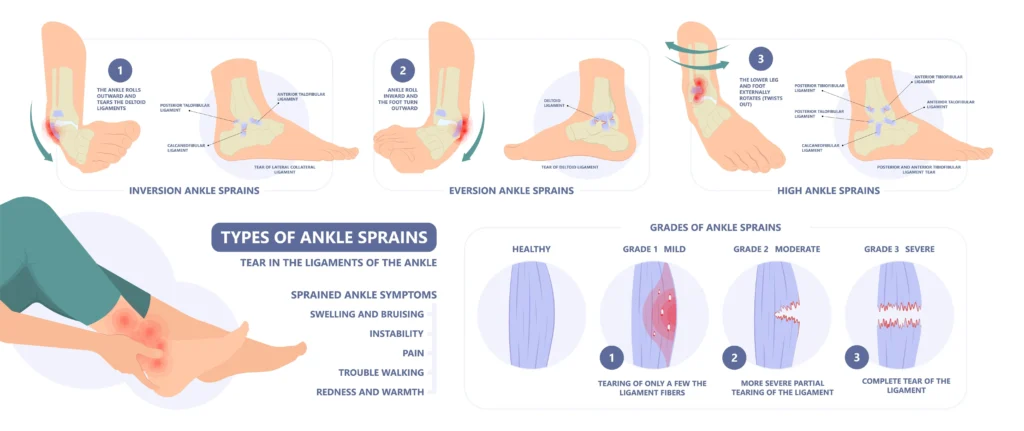
- A sprain is an injury to a ligament, the tough bands of tissue that connect bones to each other at a joint.
- Sprains typically occur when a joint is forced beyond its normal range of motion, causing the ligament to stretch or tear.
- Common symptoms of a sprain include pain, swelling, bruising, and difficulty moving the affected joint.
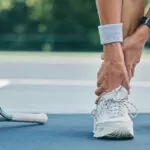
- Ankle sprains are the most common type of sprain, often caused by twisting or rolling the ankle.
Strains
- A strain is an injury to a muscle or tendon, the fibrous cords that attach muscles to bones.
- Strains usually happen when a muscle is overstretched or overworked, causing the muscle fibers or tendon to tear.
- Symptoms of a strain can include pain, muscle tightness, muscle weakness, and spasms.
- Back strains are a frequent type of strain, often caused by improper lifting or sudden movements.
Repetitive Stress Injuries (RSIs)
- RSIs are a group of disorders that occur from repeated movements or overuse of a particular muscle, tendon, or nerve.
- RSIs develop gradually over time, and symptoms can worsen if the repetitive activity continues.
- Common symptoms of RSIs include pain, numbness, tingling, weakness, and loss of function in the affected area.
- Carpal tunnel syndrome, tendonitis, and tennis elbow are examples of RSIs.
Causes and Risk Factors
Several factors can increase your risk of experiencing a sprain, strain, or RSI:
- Sprains: Participating in sports, wearing improper footwear, and having a history of ankle sprains can increase your risk.
- Strains: Overexertion, poor posture, and muscle fatigue can contribute to strains.
- RSIs: Performing repetitive tasks, using improper techniques, and having poor ergonomics in the workplace can lead to RSIs.
Preventing Sprains, Strains, & RSIs
Nobody enjoys the limitations and discomfort of sprains, strains, and repetitive stress injuries (RSIs), so it’s great news that many of these conditions can be prevented with some proactive measures. Incorporating simple strategies into your daily routine and being mindful of your body’s signals can significantly reduce your risk of experiencing these painful setbacks.
Warm-up and Cool-down
A proper warm-up can increase blood flow to your muscles, improve mobility, and reduce the risk of injury. Similarly, a cool-down helps your body gradually return to its resting state, which can help prevent muscle soreness and stiffness.
Listen to Your Body
Pain is your body’s way of signaling that something is wrong. Don’t ignore those aches and pains – they may be early warning signs of an impending injury. If you experience discomfort during or after an activity, stop and contact us for an appointment. Pushing through pain can exacerbate the problem and lead to more serious complications.
Mobility and Strength
Maintaining good muscle strength and range of motion can help protect your joints and reduce your risk of injury. Our PT programs will show you how to incorporate regular exercise into your routine that strengthens the muscles surrounding your joints and improves your overall range of motion.
Footwear and Protective Gear
Wearing appropriate footwear and protective gear can also help prevent injuries. Choose shoes that are meant for the activity you’re doing and fit properly. If you’re participating in activities that put you at risk for falls or impacts, wear protective gear such as helmets, knee pads, or wrist guards.
Contact us today for a personalized program with proactive steps to avoid sprains, strains, and RSIs. And if you do experience an injury, don’t wait to schedule your PT appointment with College Park Physical Therapy. We’ll help you get back to your activities stronger than before.
Injury Treatment At College Park Physical Therapy
If you’re experiencing pain or discomfort from a suspected sprain, strain, or repetitive stress injury, don’t wait any longer to begin treatment. Our experienced physical therapists can help you get back to doing the things you love. We’ll create a personalized treatment plan to address your specific needs, including pain management, exercises to improve mobility and strength, and techniques to prevent future injuries.
Call us today to schedule an appointment and get back to your active lifestyle stronger than ever!
Are Your Shoes the Cause of Your Foot Pain?
Who doesn’t love a great pair of shoes, especially when they’re the final touch on a knockout outfit? Unfortunately, shoes are more than just a fashion statement–they can also contribute to foot pain.
At College Park Physical Therapy, we can let you know for certain if your shoes are causing your foot-related woes. In the meantime, here are some simple guidelines to remember the next time you go shoe shopping.
A Physical Therapist’s Guide to Finding the Perfect Shoe:
- Make sure it fits. Cinderella’s stepsisters learned it the hard way: it doesn’t matter what a shoe looks like if it doesn’t fit your foot. If your shoes are too tight or restrictive, your feet will not have full mobility, leading to pain and other discomfort.
- Pointed toes are out this season. Those fierce pointy-toed shoes might look great, but they squeeze your toes together in a way that can cause problems in your toe joints.
- So are high heels. A severe high heel looks fabulous (and sounds even better), but it forces your foot into an unnatural shape, leading to significant impacts on the overall health of your feet–not to mention a higher risk of sprained ankles, lower back pain, and balance issues!
- But comfort and support are in. The best shoes are the ones that feel good while wearing them and after you take them off. In most cases, these shoes provide your foot with the support it needs to work correctly, ensuring the foot is protected and feeling good.
Okay, so our physical therapists may not be your first choice for fashion tips–but we can help you avoid persistent, debilitating foot pain. Schedule an appointment today to learn more about the right shoes for healthy feet!
Safe Snow Shoveling Tips

1. Warm Up Before You Shovel
Shoveling is a physical activity that requires preparation. Take 5-10 minutes to warm up with light exercises, like marching in place or stretching. Warming up improves blood flow and prepares your muscles for the task ahead, reducing your risk of injury.
2. Choose the Right Shovel
Opt for a lightweight shovel with an ergonomic design to minimize strain on your back and shoulders. A shovel with a curved handle or adjustable length allows for a more comfortable grip and posture.
3. Use Proper Technique
-
- Lift with Your Legs: Bend your knees and keep your back straight when lifting snow.
-
- Push, Don’t Lift: Whenever possible, push the snow instead of lifting it to reduce the strain on your lower back.
-
- Take Smaller Loads: Avoid overloading your shovel. Smaller, lighter loads are easier to handle and less likely to cause injury.
-
- Don’t Twist: Toss snow straight ahead vs twisting your body to throw.
4. Pace Yourself
Shoveling can be physically demanding, especially for extended periods. Take breaks every 15-20 minutes to rest and hydrate. Listen to your body, and don’t hesitate to stop if you feel pain or discomfort.
5. Protect Your Back and Shoulders
-
- Engage Your Core: Use proper breathing techniques to support your spine while shoveling. Avoid holding your breath to maintain spinal support and prevent strain.
-
- Avoid Overreaching: Keep the shovel close to your body to maintain balance and reduce strain on your shoulders and arms.
6. Be Mindful of Slippery Surfaces
Snow and ice can create hazardous conditions. Wear shoes with good traction to prevent slips and falls, if icy use salt or sand to improve footing as you shovel.

Recipe of the Month: Immunity Soup

Ingredients:
- 1 tablespoon extra virgin olive oil
- 1 medium onion, quartered and thinly sliced
- 3 celery stalks, thinly sliced
- 1 medium carrot, thinly sliced
- 8 medium garlic cloves, very thinly sliced
- 2 tablespoons grated ginger, peeled
- 3/4 teaspoon finely ground white pepper, plus more to taste
- 1 1/2 cups mushrooms, trimmed
- 8 ounces firm tofu, sliced into thin slabs
- 2 1/2 teaspoons fine grain sea salt
- to serve: lots of chopped green onions, sliced watermelon radish, and/or pea shoots
Instructions:
- Heat the oil in a large soup pot over medium heat, and stir in the onion, celery, carrot, garlic, and ginger. Gently sauté just until soft, you don’t want any browning. Add a small splash of water if the pan dries out in the process.
- Stir in the white pepper and 10 cups of water. Dial up the heat to bring the broth to a simmer, and hold there for about 15 minutes. Add the mushrooms, tofu, and salt, and gently simmer for another 5 minutes. Stir well, taste, and adjust with more salt or water if needed.
- Ladle the soup into shallow soup bowls and top with lots of green onions, pea shoots, and a few watermelon radish slices. Add a finishing drizzle of olive oil, and enjoy!
Join Our Team
We may be the place for you if you want to be a part of a skilled, dedicated, and attentive physical therapy team that is helping people fully recover and changing the lives of people in your community!
Please apply on our website today if you believe you would be a good fit for our team of dedicated and compassionate therapists, coordinators, representatives, technicians, and assistants.