
How Physical Therapy Can Help Your Pickleball Injuries
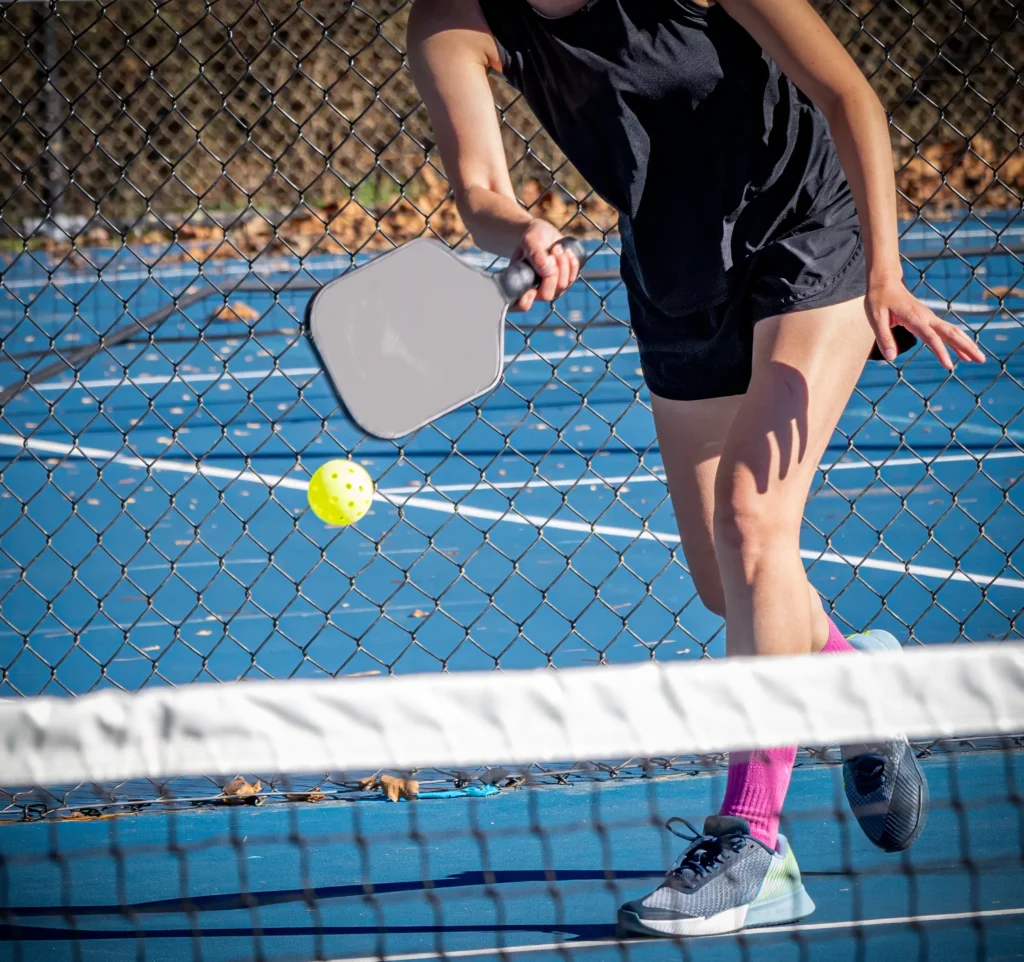
No matter what your skill level or experience with Pickleball, learning how to prepare your body correctly is the key to enjoying the sport. Pickleball is the fastest growing sport in America, and the game is gaining more and more players every day.
Pickleball is an easy and fun way to stay active. The sport is similar to other racquet sports and is often played on modified tennis courts.
Unfortunately, people jump right into the sport without any preparation or training to prepare their bodies for the demands on their muscles, tendons, and joints. At College Park Physical Therapy, our physical therapists have proven success working with people of all ages to recover from injury and resume whatever sport they enjoy.
Did You Know You Have a Choice?
When your doctor recommends physical therapy, you get to choose the clinic that’s right for you. At College Park Physical Therapy, we’re proud to offer personalized care and support to help you get moving, stay active, and recover faster. Physical therapy at independent outpatient clinics like ours is often a more cost-effective option compared to hospital-based or physician-owned practices, while still delivering the same high level of care.

Thanks to Direct Access, many patients can come to us without a doctor’s referral. That means you can schedule an evaluation and start treatment right away. If your doctor does determine that physical therapy is needed, you can still let them know you choose College Park Physical Therapy as your provider. Choosing the right clinic matters. At CPPT, our experienced team works closely with each patient to create a treatment plan tailored to your goals, whether you’re recovering from an injury, managing chronic pain, or improving overall mobility. Next time your doctor recommends physical therapy, remember: you have the right to choose where you go.
Patient Success
“Two years of declining with low back and hip pain. I did 3 months of PT at a different
place and felt hopeless. I found CPPT to be the most helpful and hopeful. I am stronger with much less pain. This truly is an exceptional place!” -S.T.
The Most Common Injuries Associated with Pickleball
As with any sport, injuries can be a part of playing the game of Pickleball. The sport’s popularity has opened it up to people of all ages. The game is easy to play for beginners and can also meet the requirements of a more competitive player with the possibility of a fast-paced match for singles or doubles. As the popularity grows, so too does the risk of injury.
The sport requires abrupt changes of direction and stopping and starting movements, all of which have been linked to non-contact injuries like sprains and strains. There is also the potential for falling and repetitive movement type injuries, especially to the upper extremities. Another potential risk of injury stems from the lack of preparation and the age of the deconditioned athletes.
The most common injuries in Pickleball include:
- Ankle sprains
- Achilles tendon injuries and inflammation
- Patella (knee cap) tendinopathies
- Hamstring, adductor (inner thigh), or quadriceps muscle strains
- Shoulder impingements and rotator cuff injuries
- Elbow tendonitis (Tennis elbow)
- Wrist fractures from falls
What to expect at physical therapy sessions
Physical therapy should start immediately following most injuries to ensure the fastest recovery possible. A physical therapist with experience treating sports-related injuries will conduct a thorough evaluation to determine the injury’s severity and identify any other factor that may affect your ability to recover promptly.
Next, your therapist at College Park Physical Therapy will create a targeted, individualized treatment plan for you to promote an accelerated recovery plan and prevent future injuries associated with Pickleball.
For example, your physical therapist will guide you through exercises designed to help the injury and return to your pre-injury abilities. We will start with pain management and restoring mobility to the injured area.

Request an Appointment Today!
At College Park Physical Therapy, our therapists are experts at treating Pickleball-related injuries. We have proven success with treating athletes of all skill levels and ages. Call today to schedule an appointment with one of our specialists!
Understanding Rotator Cuff Injuries:
Signs and Symptoms
If you’ve been experiencing shoulder pain or discomfort, it’s essential to understand the signs and symptoms of a potential rotator cuff injury. By recognizing these indicators, you can take the crucial first step towards seeking appropriate care and embark on your path to recovery.
Rotator cuff injuries can vary in severity. In addition to pain, they often share these five signs and symptoms:
- Disturbed Sleep: Rotator cuff pain often worsens at night, interfering with sleep. Sleeping on the affected side can be particularly uncomfortable.
- Weakness: Individuals with a rotator cuff injury may experience weakness in the affected shoulder, making it challenging to perform tasks that require lifting, reaching, or holding objects.
- Limited Range of Motion: Reduced mobility in the shoulder is a common symptom. You may struggle to raise your arm, reach behind your back, or perform overhead activities.
- Difficulty with Daily Activities: Rotator cuff injuries can impact daily tasks such as combing hair, dressing, and reaching for items on high shelves. It can also affect sports and recreational activities.
- Gradual Onset: Some rotator cuff injuries develop gradually over time due to overuse, while others may result from a sudden injury or trauma, such as a fall or lifting heavy objects.

Take the First Step Toward Recovery
It’s essential to seek help from one of our College Park Physical Therapy specialists if you experience any of these symptoms, as early intervention can lead to more effective treatment and improved outcomes. Our physical therapists can assess your shoulder and tailor a treatment plan to address your specific needs and goals. Don’t wait to get help; call today and schedule a consultation!
Recipe of the Month: Broccoli Risotto
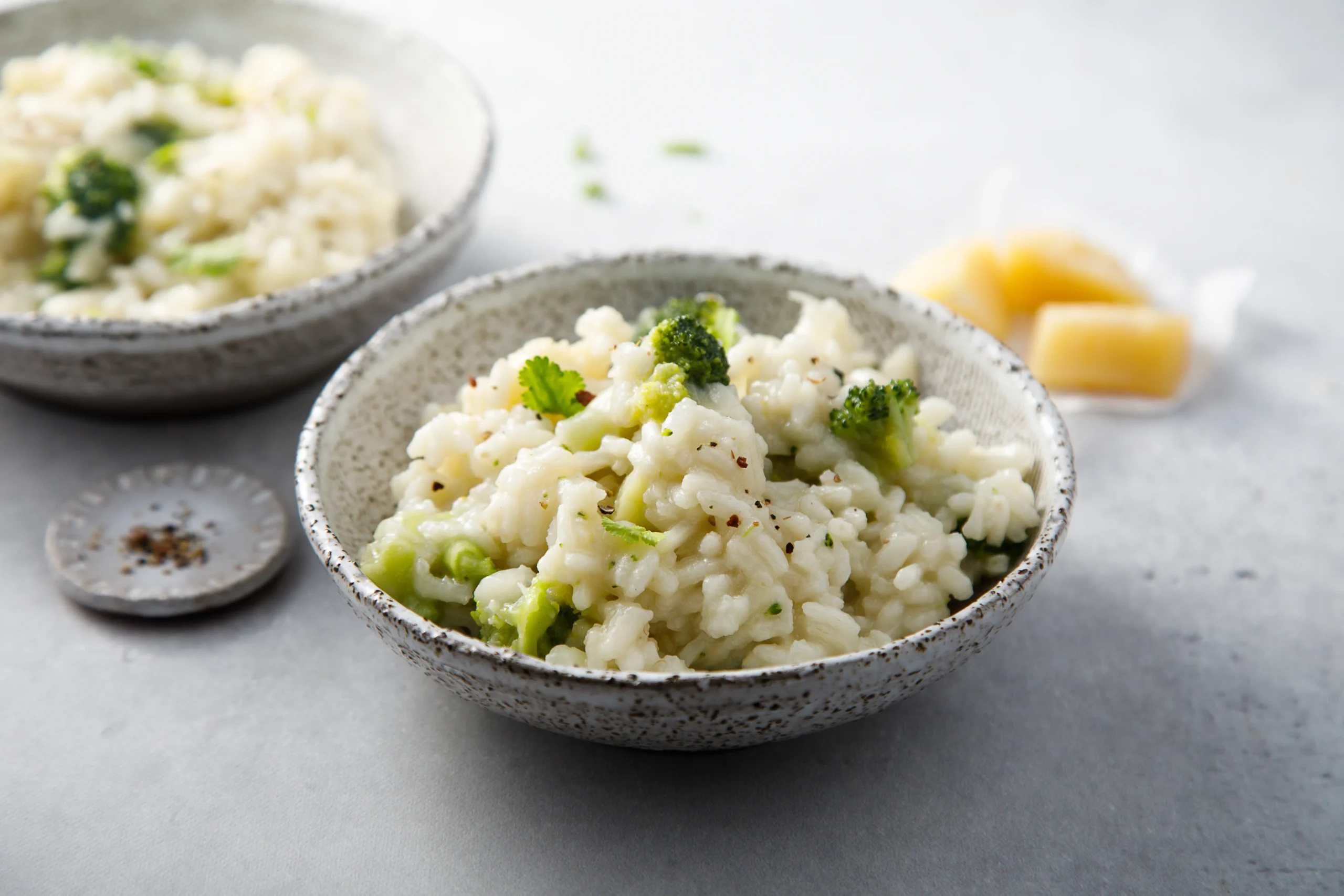
Ingredients:
- 2 tablespoons olive oil
- 3 tablespoons butter
- ½ large sweet onion, finely chopped
- 4 cloves garlic, chopped
- 1 ½ cups Arborio rice
- ½ cup dry white wine (such as Sauvignon Blanc)
- 2 tablespoons lemon juice
- 5 cups hot chicken broth
- 1 cup heavy cream
- 3 cups cooked broccoli florets
- 2 tablespoons chopped fresh chives
- 1 tablespoon grated Parmesan cheese
- 1 ½ tablespoons grated Asiago cheese
- salt and pepper to taste
Instructions:
- Gather all ingredients.
- Heat olive oil and butter in a large, heavy-bottomed saucepan over medium-high heat. Add onion and garlic; cook and stir until onion begins to turn golden brown at the edges, about 2 minutes.
- Pour in rice, and stir until rice is coated in oil and has started to toast, 3 to 4 minutes.
- Reduce heat to medium and stir in white wine and lemon juice. Cook and stir until wine has mostly evaporated, then stir in 1/3 of the chicken broth; continue stirring until incorporated.
- Repeat this process twice more, stirring constantly. Stirring in broth should take 15 to 20 minutes in all. Stir in cream and cook 5 minutes before stirring in broccoli, chives, Parmesan cheese, and Asiago cheese. Cook and stir until risotto is hot; season to taste with salt and pepper before serving.
Join Our Team
We may be the place for you if you want to be a part of a skilled, dedicated, and attentive physical therapy team that is helping people fully recover and changing the lives of people in your community!
Please apply on our website today if you believe you would be a good fit for our team of dedicated and compassionate therapists, coordinators, representatives, technicians, and assistants.
Sources
- https://www.allrecipes.com/recipe/166138/broccoli-risotto-with-cream-and-lemon/
- https://www.ncbi.nlm.nih.gov/pmc/articles/PMC6913863
- https://journals.lww.com/acsm-csmr/Fulltext/2020/10000/Pickleball__Review_and_Clinical_Recommendations.8.aspx?context=LatestArticles
- https://www.sciencedirect.com/science/article/abs/pii/S0736467919307991