
Is Your Head Spinning? How Physical Therapy Can Help Your Vertigo
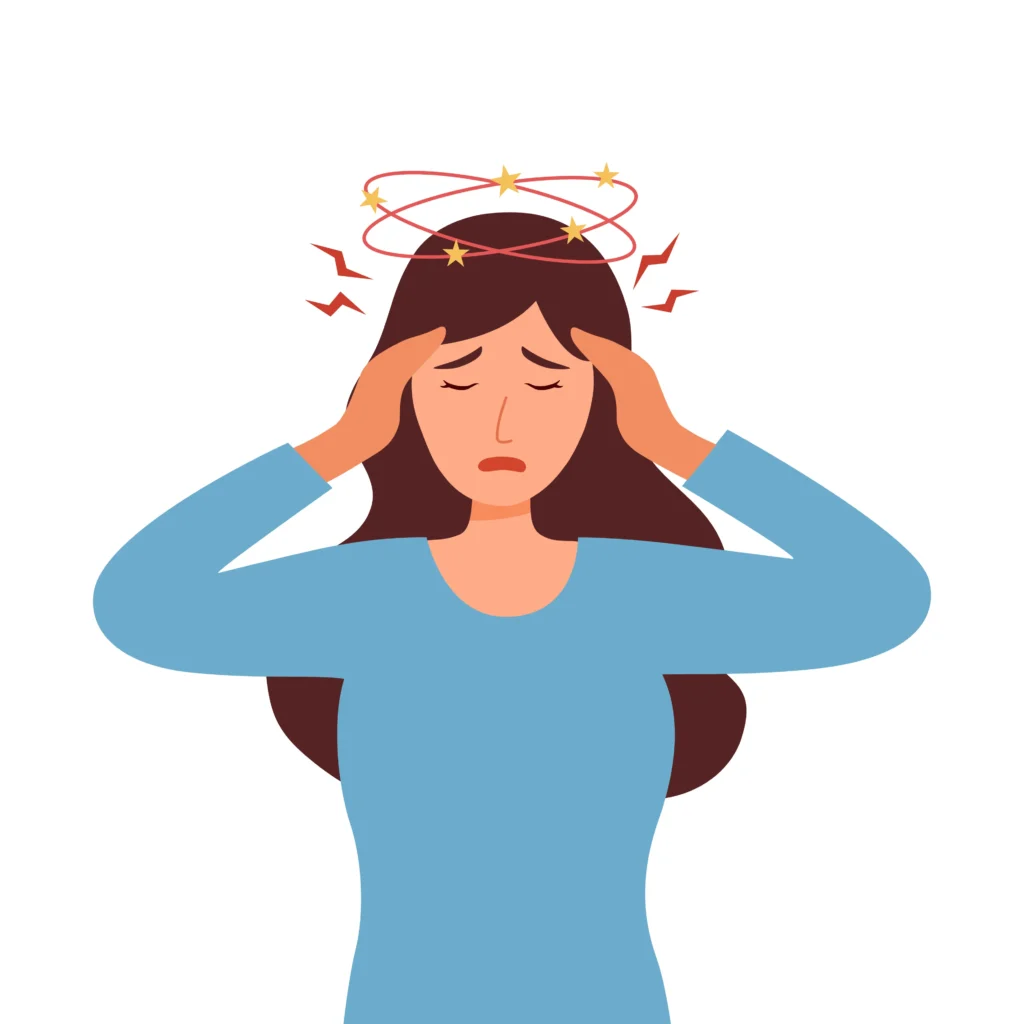
Have you ever had a sudden sense that you’re spinning in place — even though you’re standing perfectly still? If so, then you’ve experienced vertigo, an unnerving sensation that often indicates an underlying issue with your vestibular system.
A single incident of vertigo probably isn’t anything to worry about, as the sensation isn’t typically harmful in and of itself. However, multiple vertigo attacks could indicate an underlying issue with your vestibular system, which helps manage your balance and spatial awareness. Frequent vertigo can also increase fall risk, leading to potential injury or hospitalization.
While vertigo can feel hallucinatory and strange, it is more often than not rooted in a physical issue — one that the physical therapists at College Park Physical Therapy can help address. Our team’s understanding of your body’s vestibular and balance systems ensures you can find the relief you need to live a full, healthy life.
Don’t let vertigo sweep you off your feet. Call us today to schedule an initial consultation!
Understanding Vertigo: What It Is, What It Feels Like, and What Causes It
Many people use the terms “vertigo” and “dizziness” interchangeably, but vertigo is a specific type of dizziness. Dizziness can refer to a range of sensations: wooziness, lightheadedness, etc. Vertigo refers to a particular sensation in which you feel like you or the space you’re in is spinning.
Vertigo is closely associated with your vestibular system, which is located in your inner ear (the peripheral vestibular system) and in your cerebellum (the central vestibular system). Most people with vertigo have an impairment in the peripheral vestibular system: the structures and canals of the inner ear.
What sort of impairments? Here are a few of the most common:
- Benign Positional Paroxysmal Vertigo (BPPV): The most common source of vertigo, this occurs when tiny crystals build up in the inner ear canal.
- Meniere’s Disease: This results from fluid buildup in your inner ear. In addition to vertigo, you might experience hearing loss or muffled hearing, tinnitus, and a sense of fullness in the ear.
- Labyrinthitis: This is an inner ear inflammation resulting from an infection.
It’s important to remember that vertigo isn’t really a condition in and of itself — it’s a symptom. If you can’t find an obvious inner ear issue that could be causing your vertigo, you may have central vertigo, vertigo that’s rooted in your cerebellum. The following can cause central vertigo:
- Stroke
- Migraines
- Vascular disease
- Traumatic brain injury
Our physical therapists will work with you and other providers, if needed, to determine the exact root of your vertigo attacks.

Physical Therapy’s Role in Treating Vertigo
Many people are surprised that physical therapy is a standard treatment for vertigo, but it’s true, especially if you have peripheral vertigo. Our therapists will blend several different treatments to help manage your vertigo attacks while working to improve your overall balance and stability:
- Vestibular rehabilitation is a specialized form of physical therapy that consists of exercises specifically designed to address issues with the vestibular system, including relaxation techniques, gaze stabilization exercises, and more.
- Repositioning maneuvers help people with BPPV. We can dislodge the crystals causing your symptoms by positioning your head in certain ways.
- Balance training is an integral part of any vertigo treatment plan. We’ll walk you through exercises designed to challenge — and improve — your overall balance, which helps reduce your fall risk.
- Conditioning programs are another important piece in the vertigo puzzle. Muscular weakness, particularly in the core, can contribute to balance issues; a tailored exercise program will help you build the strength you need to stay on your feet.
- Finally, patient education ensures you understand the cause of your vertigo and have the tools you need to manage it. For example, we can help you identify and avoid vertigo triggers and provide strategies to make it through vertigo attacks.

Patient Success Story
“Wonderful providers and kind staff. You feel cared for from the moment you schedule your appointment until you check out. I’ve been a College Park patient for over 30 years. No one provides medical care better.” — A.R.
Say Goodbye to Vertigo. Call College Park Today!
Although it’s not life-threatening, vertigo can profoundly impact your overall quality of life. Many people with frequent vertigo are less likely to go out or participate in their favorite recreational activities for fear of an ill-timed attack. But our physical therapists can help control–and sometimes even resolve — your vertigo, ensuring you live a rich, active life. Ready to learn more? Call to schedule an appointment today.
Recipe of the Month: Veggie Stir Fry

Ingredients:
- 2 tablespoons extra-virgin olive oil
- 1 red bell pepper, stemmed, seeded, and sliced
- 1 yellow bell pepper, stemmed, seeded, and sliced
- 8 ounces cremini mushrooms, stemmed and sliced
- 3 cups small broccoli florets
- 1 cup sugar snap peas
- 1 cup thinly sliced carrots
- 3 green onions, thinly sliced
- Sesame seeds, for garnish
Stir Fry Sauce
- ½ cup water
- ⅓ cup low-sodium soy sauce
- 1 tablespoon honey or brown sugar
- 1 tablespoon rice vinegar
- 2 teaspoons toasted sesame oil
- 2 garlic cloves, grated
- 2 teaspoons grated fresh ginger
- 1 tablespoon cornstarch
- ½ teaspoon red pepper flakes, optional
Instructions:
- Make the stir fry sauce: In a medium bowl, whisk together the water, soy sauce, honey, rice vinegar, sesame oil, garlic, ginger, cornstarch, and red pepper flakes, if using.
- Make the stir fry. Heat the olive oil in a large skillet or wok over high heat. Add the red and yellow peppers, mushrooms, broccoli, snap peas, and carrots and toss. Cook, stirring occasionally, for 3 to 4 minutes, or until the vegetables soften slightly.
- Reduce the heat to medium and pour in the stir fry sauce. Stir and cook for 1 to 2 minutes, or until the sauce thickens and the vegetables are crisp-tender. Season to taste. Top with the green onions and sesame seeds and serve.
An In-Depth Look at Vestibular Rehabilitation
If you’re suffering from vertigo, you may have heard you could benefit from vestibular rehabilitation. But what is that, exactly? Let’s break it down. Vestibular rehab focuses on addressing impairments in your vestibular system, which controls your body’s sense of balance and proprioception (awareness of itself in space). It mainly focuses on issues in your peripheral vestibular system, the structures and labyrinths in your inner ear that help keep you steady. Like any good physical therapy program, a good vestibular rehabilitation program is designed around your symptoms, condition, and overall goals. The College Park physical therapists will work closely with you to create your own customized plan.
What Will We Include in a Vestibular Rehabilitation Program?
The aims of vestibular rehab are three-fold. We want to help you…
- Improve your balance
- Improve your gaze stability
- And reduce your vertigo attacks
To accomplish these goals, we’ll pull from a blend of targeted vestibular exercises. These activities may not look like “traditional” physical therapy, but they’re all techniques proven to help manage vertigo and dizziness symptoms related to vestibular disorders. Here’s what you can expect:
- Habituation Exercises: We’ll help you “habituate” to your vertigo by working with you to identify movements that trigger an attack — and then have you perform those movements in a monitored environment. Over time, your symptoms can decrease.
- Relaxation Exercises: We’ll show you techniques to calm your body when you do experience a vertigo attack.
- Vision Exercises: Vision and vertigo often go hand in hand. By stabilizing your gaze, you can decrease vertigo attacks. These exercises include focusing and refocusing your gaze on a busy visual field, among others.
- Postural Exercises: These exercises address all aspects of your body’s balance systems (visual, sensory, and vestibular) to help challenge and improve your balance while reducing your fall risk.
Think you might benefit from vestibular rehabilitation? Call us today to schedule an initial consultation!
Chair Yoga: A Fun, Gentle Approach to Balance and Fitness
You heard that Yoga is a great way to improve your balance–but when you went online to find resources, you discovered pages and pages of bendy athletes twisted into impossible positions. How could you possibly dream of getting started? If this scenario rings true to you, don’t fear: Yoga is far more forgiving than social media would have you believe! In fact, there’s even a form of Yoga especially designed for people who struggle with balance and mobility: chair Yoga. Chair Yoga moves through standard Yoga postures like cat/cow or warrior pose–but modified so that you can use a chair to retain your balance. It’s a great choice for older adults or anyone who wants to improve their balance in a safe, relaxing way.
Simple Chair Yoga Postures To Get You Started
- Cat/Cow: Start sitting in a sturdy chair with your feet firmly planted on the floor, hip-width apart. With your hands on your knees, breathe deeply in and arch your back, looking up to the ceiling. As you exhale, round your spine and drop your chin to your chest. Let the movements flow into each and repeat 5 times each.
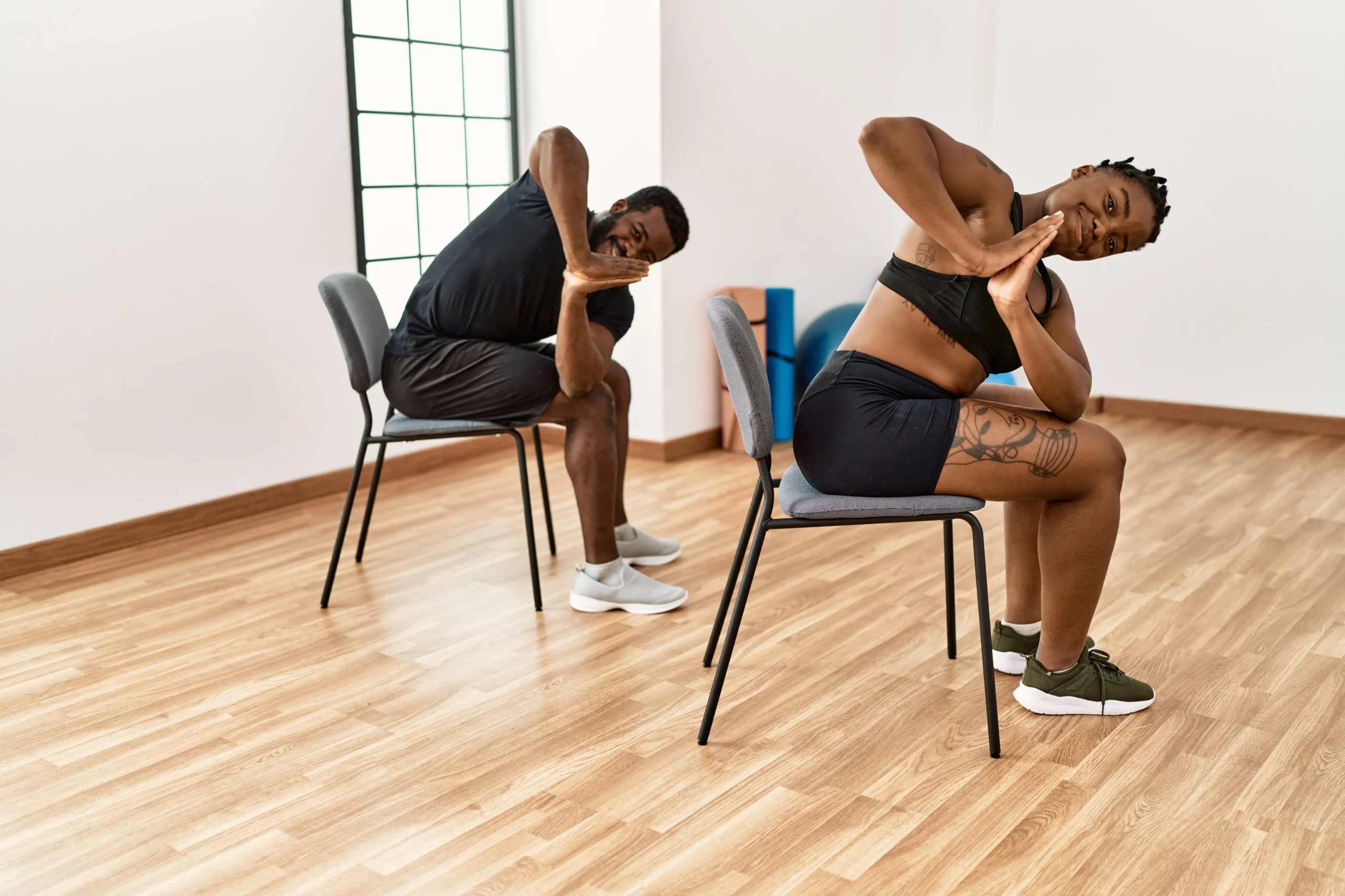
- Chair Side Stretch: Again, sit in your chair with your feet hip-width apart. Inhale deeply as you lift your right hand overhead, then bend gently to your left. Feeling off-balance? Steady yourself by stretching your left arm across your lap to grip your right thigh or the right side of the chair. Repeat on the other side.
- Chair Pigeon: Sit upright in your chair, feet firmly planted. Gently cross your left ankle over your right thigh, flexing your left foot to protect your knee. You should feel a stretch in your left glute. If this is enough, stay here! If you’d like a deeper stretch, keep your spine straight and slowly hinge forward, leaning your chest forward over your legs. Hold for three seconds, then repeat on the other side.
Discover More Chair Yoga with College Park!
Want to explore more chair Yoga postures? Call us to schedule an appointment. We’ll ensure you’re performing the movements correctly and help you develop a regular chair Yoga practice!
Join Our Team
We may be the place for you if you want to be a part of a skilled, dedicated, and attentive physical therapy team that is helping people fully recover and changing the lives of people in your community! College Park Physical Therapy’s mission is to consistently provide exceptional results and physical therapy services to our patients while learning new techniques, improving our capabilities, and, of course, providing an exceptional team environment. In addition, our growing practice provides numerous opportunities for further education and career advancement.
The following are our current job openings:
- Physical Therapists
- Physical Therapy Assistants
- Patient Care Coordinator
- Physical Therapy Technicians
- Front Desk Assistants
Please apply on our website today if you believe you would be a good fit for our team of dedicated and compassionate therapists, coordinators, representatives, technicians, and assistants.
Sources
- https://www.loveandlemons.com/stir-fry-recipe/
- https://www.choosept.com/guide/physical-therapy-guide-vertigo
- https://www.ncbi.nlm.nih.gov/pmc/articles/PMC5954334/
- https://www.ncbi.nlm.nih.gov/books/NBK482356/
- https://www.ncbi.nlm.nih.gov/pmc/articles/PMC10094373/
- https://www.yogajournal.com/yoga-101/types-of-yoga/chair-yoga-poses/
- https://www.physio-pedia.com/Introduction_to_Vestibular_Rehabilitation